

September 2, 2026
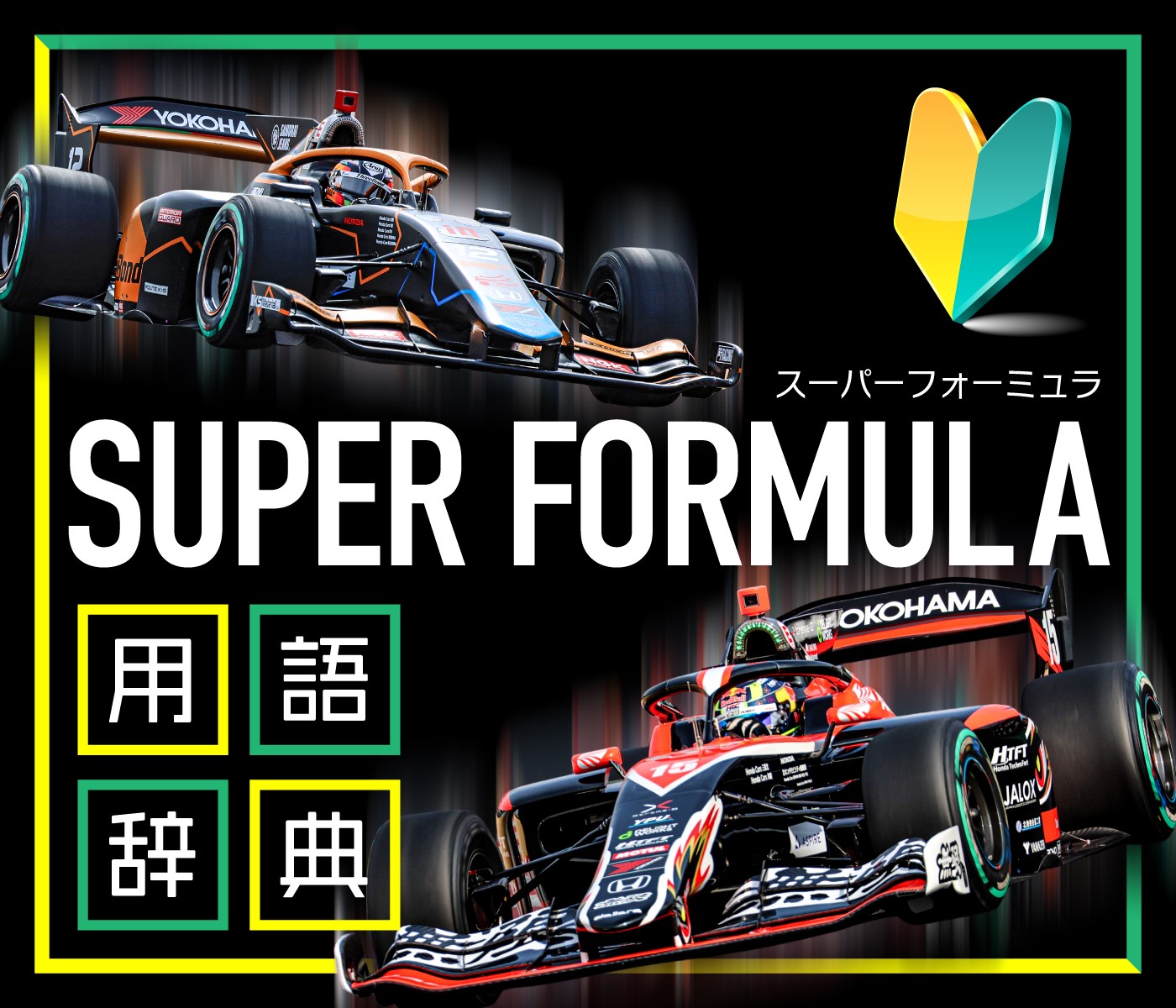
SUPER FORMULA Glossary
Explanation of Common Terms Heard During Viewing
Knowing these will make watching the race even more enjoyable!
- Starting Grid
-
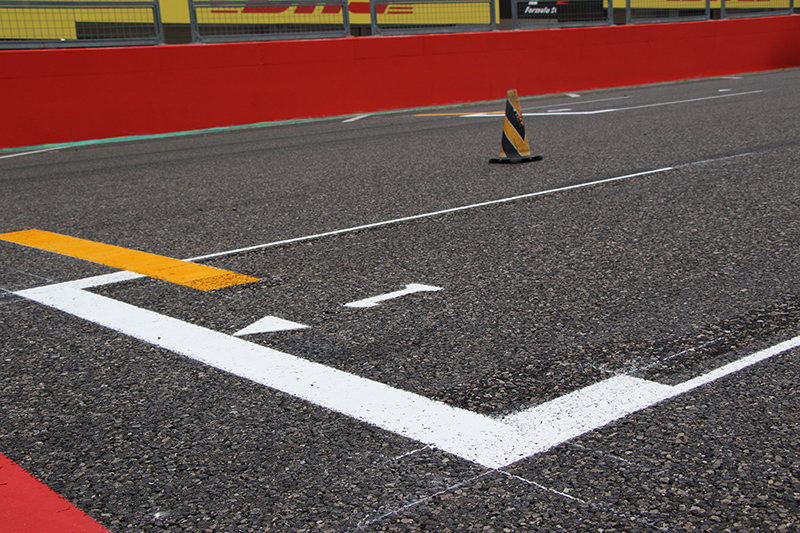
This refers to the position where vehicles are stopped in preparation for the start. It is marked with white lines, and cars line up in order from the front according to their qualifying positions. Odd-numbered grids and even-numbered grids are staggered, with an 8-meter gap between each grid. The distance between front and back positions (for example, pole position and third place) is 16 meters.
- Official Qualifying
-
Qualifying is a time attack where drivers compete for the fastest lap to determine the race starting positions (starting grid).
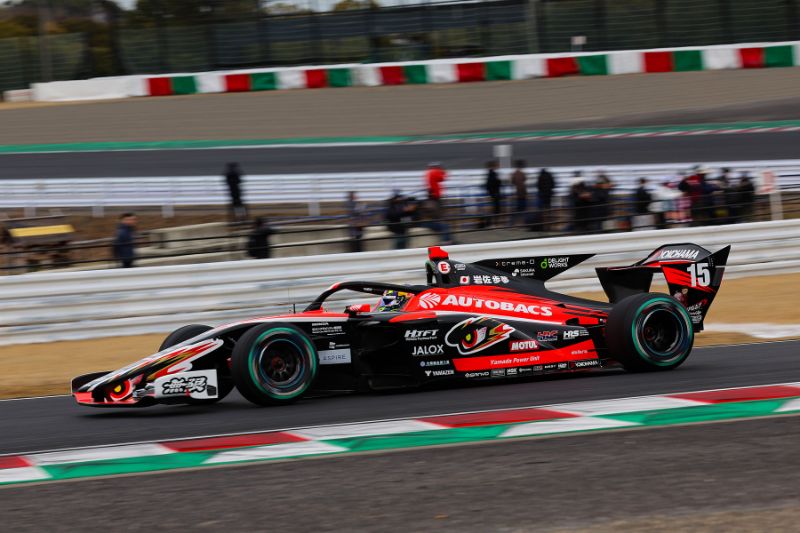
At SUZUKA CIRCUIT, the Super Formula qualifying is divided into two stages.
■Q1 (Qualifying Stage 1)
The participating cars are divided into Group A and Group B, and each group competes for the best times. The top 6 drivers from each group (a total of 12) advance to the next stage.
■Q2 (Qualifying Stage 2)
The 12 drivers who advance from Q1 will compete in another time attack to determine the starting order for the final race. The fastest driver will earn the front-row starting position called the "pole position."
In other words, qualifying is a very important battle to decide "who gets to start at the very front!"
- Final Race
-
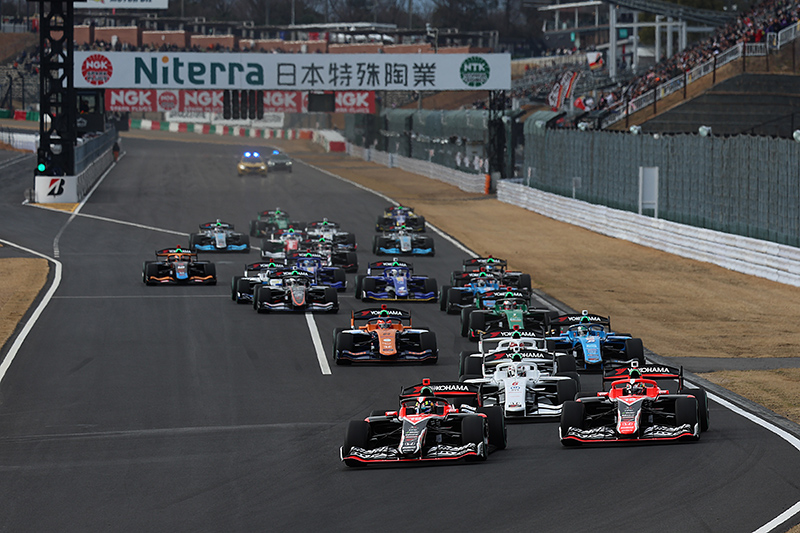
Drivers compete to complete the set number of laps as quickly as possible. On November 21 (Sat) and 22 (Sun), two races will be held for the All-Japan Super Formula Championship Rounds 11 and 12. Saturday will feature Round 11 (31 Laps or 75 mins), and Sunday will feature Round 12 (31 Laps or 75 mins).
- Point System
-
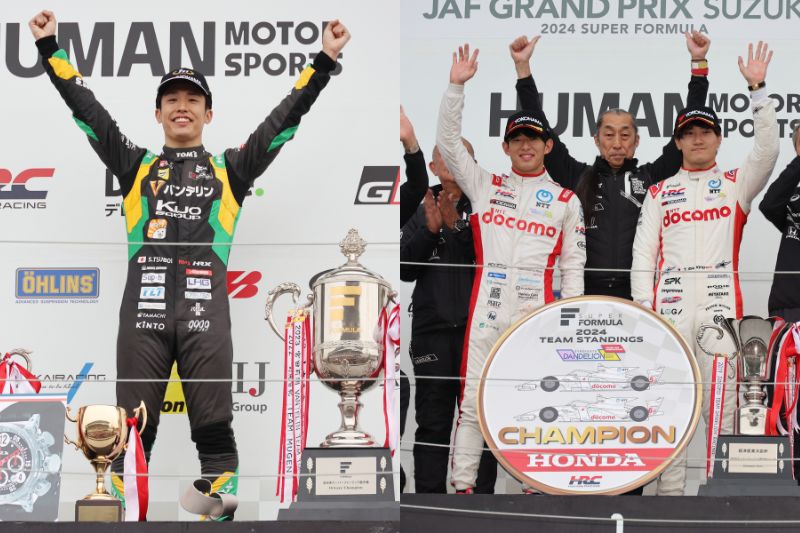
In races, points are awarded according to your finishing position. By collecting many of these points, the season champion is decided.
■Key Points of the Final Race
1st place: 20 points
2nd place: 15 points
3rd place: 11 points
Points decrease as the positions go lower.
10th place: 1 point
11th place and below: No points
■Points Are Also Awarded in Qualifying!
1st place: 3 points
2nd place: 2 points
3rd place: 1 point
In other words, points are awarded not only in the final race but also in qualifying, so every run is very important. By accumulating points throughout the season, the annual champions (drivers and teams) are decided!
- Out Lap / In Lap
-
■ Out Lap
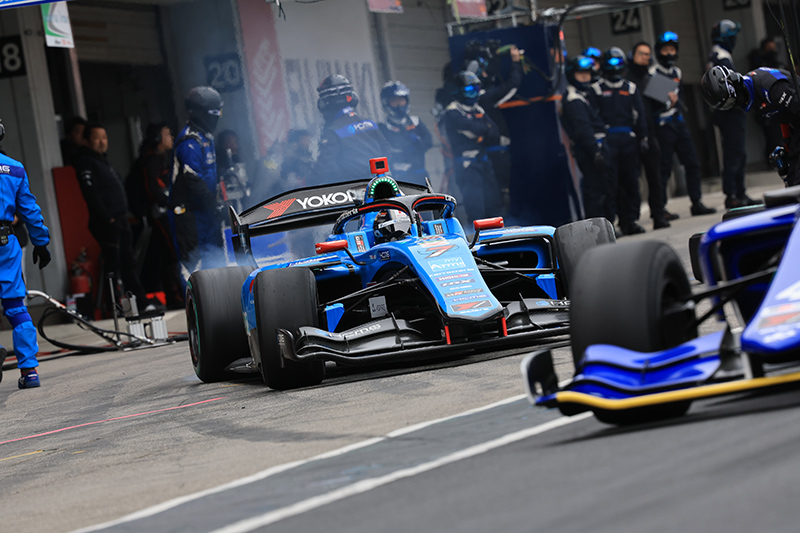
A lap where the car goes out from the pit to the course.
At this time, the tires are still cold, making it slippery and difficult to gain speed. You need to drive carefully until the tires warm up.
■Inwrap
A lap where the car returns from the course to the pit. This is the lap driven when heading to the pit for tire changes or other work.
- Overtake
-
Overtaking refers to passing the car in front during a race. The moment this happens is very thrilling and one of the highlights of watching the race!
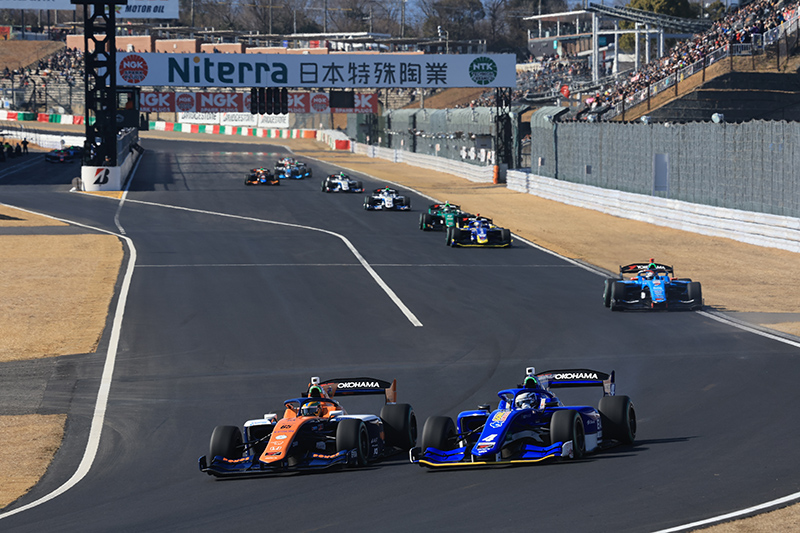
■Types of Overtakes
Side-by-Side: Running side by side
Tail-to-Nose: Running closely one behind the other
■Places Where Overtakes Are Likely to Occur (In the Case of SUZUKA CIRCUIT)
At the entry to the chicane: Because drivers brake hard from high speed to enter the corner, differences in braking timing create opportunities for overtaking.
From the home straight to Turn 1: In battles at the chicane, the distance between cars becomes close, and they head toward the home straight and Turn 1 from the final corner maintaining that gap, creating opportunities for overtaking.
- OTS (Overtake System)
-
It is like a "boost function" that temporarily increases the car's power during the race.
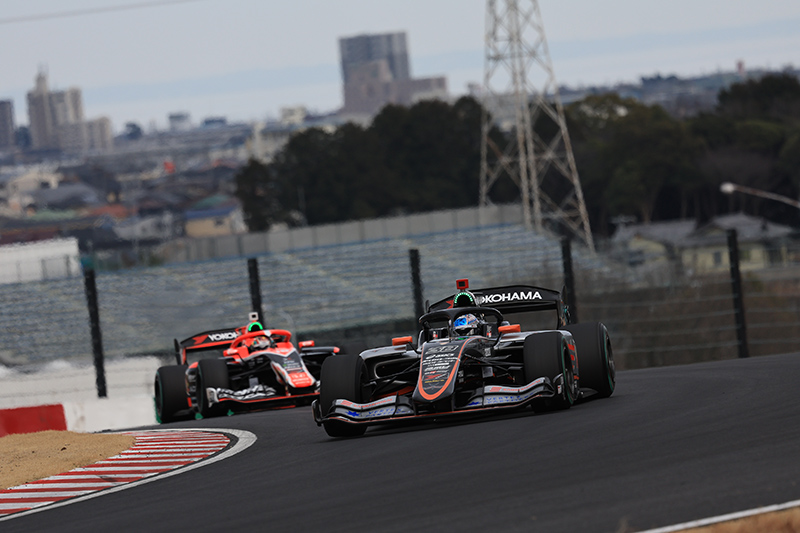
This enhances acceleration performance for a short time. It can be used not only to overtake but also to defend against being overtaken by cars behind, serving both offense and defense.
■Usage Tips
Each car can use it for up to 200 seconds per race. The driver can turn it on and off at any timing using a switch on the steering wheel.
However, once used, it cannot be reused for a short period (the duration varies depending on the circuit), so choosing the right moment to use it is very important.
In other words, OTS is a secret weapon for speeding up, used at the crucial moment!
- Undercut / Overcut
-
There is a strategy during the race to cleverly time tire changes to get ahead of your opponent.
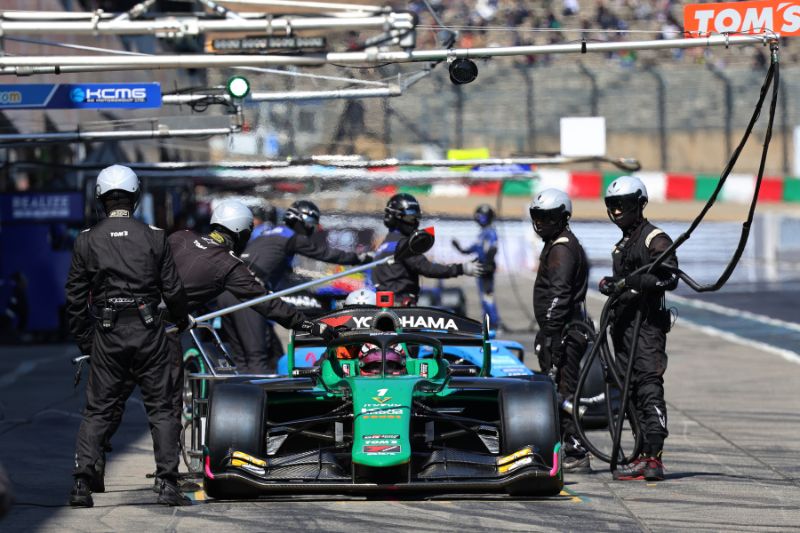
Basic Knowledge of Undercut / Overcut
Tires: Tires are fastest when new. As you complete laps, the tires wear down and your pace slows. However, new tires are still cold, slippery, and difficult to drive fast on. You need to drive carefully until the tires warm up.
Traffic: When running in a group, the gaps between cars in front and behind close up, making it difficult to run at your own pace and causing lap times to slow down. The easiest and fastest condition for drivers is when there is space between cars, like in qualifying.
■Undercut
This is a strategy where you change tires before your opponent and then use the faster pace afterward to get ahead when your opponent finishes their tire change. The opportunity arises when your opponent is stuck behind a slower car (traffic). In other words, it’s a strategy of "change first and win with speed!"
■ Overcut
This is a strategy to move ahead by maintaining a fast pace on the track and changing tires later than your opponent. Since newly changed tires may not be able to run fast immediately, you try to build a gap during that time. It’s advantageous if your tires can still run fast. This is the strategy of "delaying the tire change to seize the opportunity!"
- Downforce
-
To make the car run fast, a force that presses the body against the ground is necessary. This force is called "downforce." It uses the airflow effectively to press the car body down onto the ground.
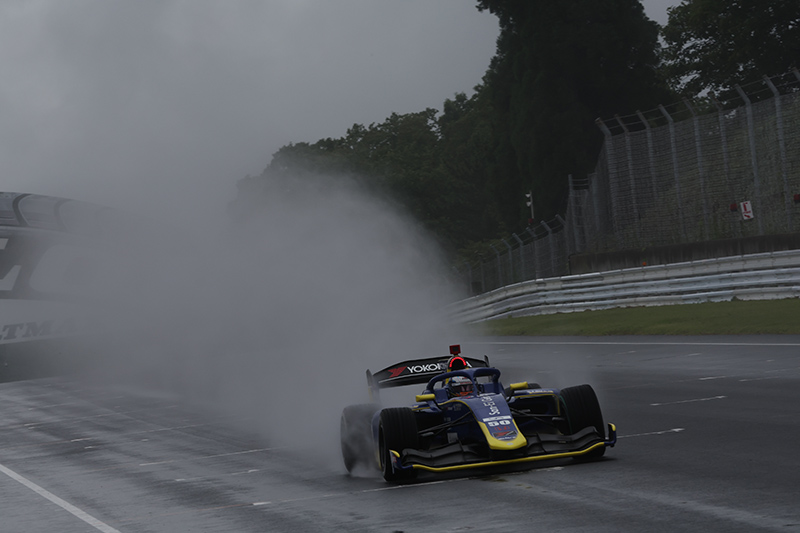
In Super Formula cars, this force is mainly generated by the "front and rear wings" and the "floor" of the car.
The wing is shaped like an inverted airplane wing, cleverly using the airflow to generate a force that pushes the car downward.
The floor allows air to flow quickly between the bottom of the car and the ground, creating a suction-like force.
Thanks to this downforce, the car can run faster even through curves. This is truly the secret behind Super Formula's speed!
- Parc Fermé
-
After the race ends, the special storage area where the machines are parked is called "Parc Fermé."
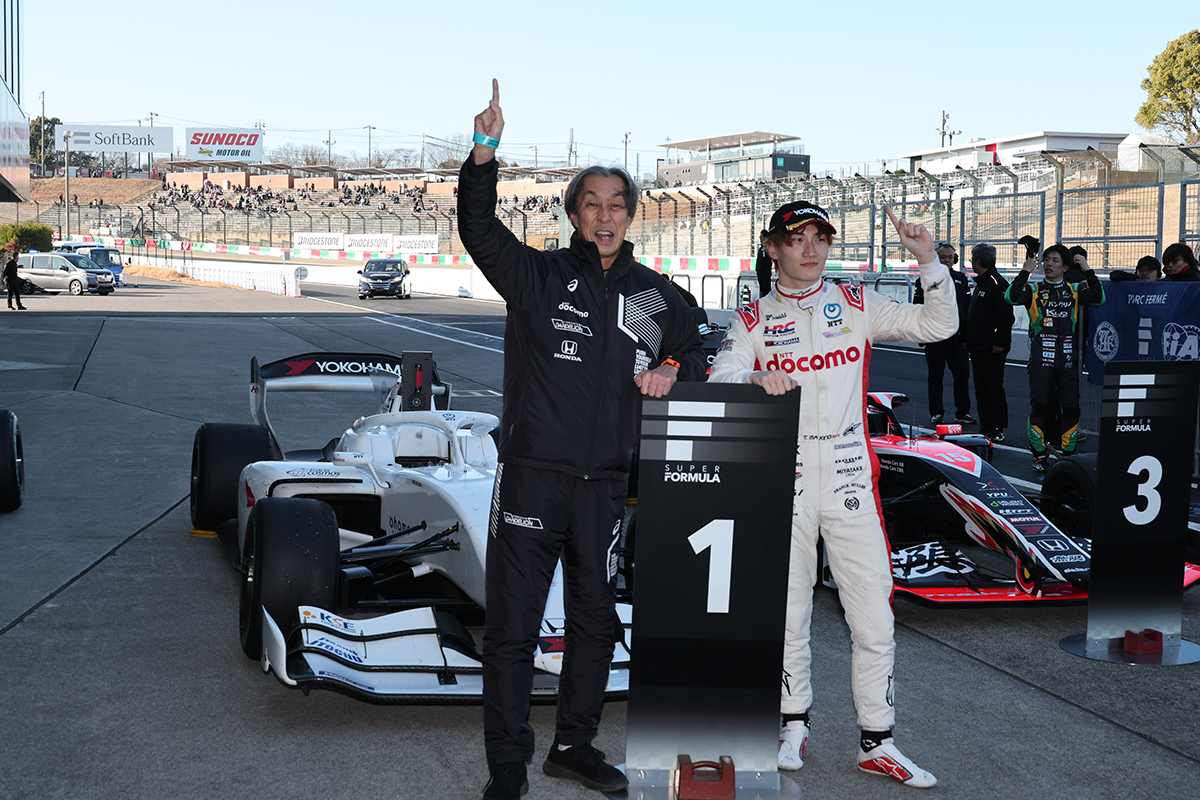
■Key Points of Parc Fermé
It is located near the place where the post-race inspection (technical inspection) of the machines is conducted.
Until the inspection is complete, entry is prohibited for anyone except authorized personnel. To ensure there are no rule violations, the machines cannot be moved for a while.
It is also the place where the winning driver bursts with joy.
- PIT
-
The place where car maintenance and work are done during the race or when not running is called the "PIT."
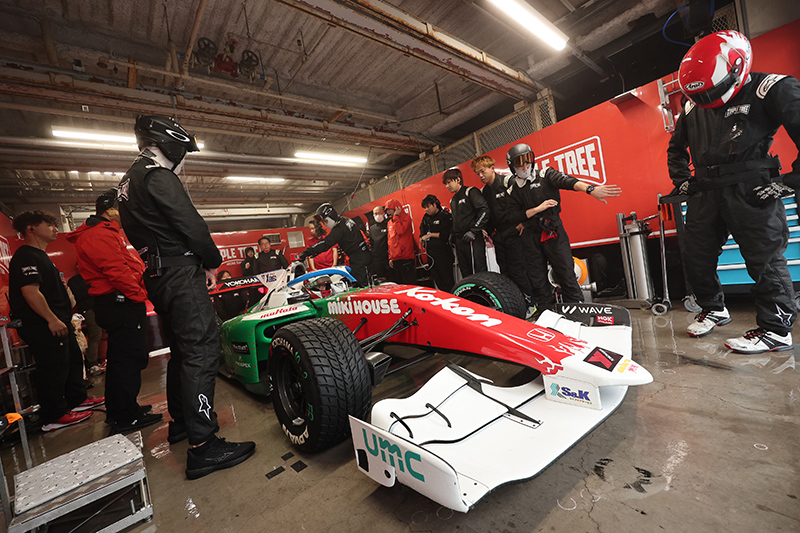
■Role of the Pit
It is the place for assembling, adjusting, and repairing the car. When not running, tire changes and setting adjustments are made inside the PIT.
■Pit Work During the Race
The car stops in front of the PIT to perform urgent work such as tire changes or replacing broken parts. This action is called a "pit-in" or "pit stop."
- Paddock
-
This is the space behind the PIT. Originally a horse racing term, it refers to the place where racehorses are walked before the race starts. It also serves the purpose of allowing fans to observe the condition of the horses. In Super Formula, the paddock is lined with the teams' racing machine transport trucks (transporters).
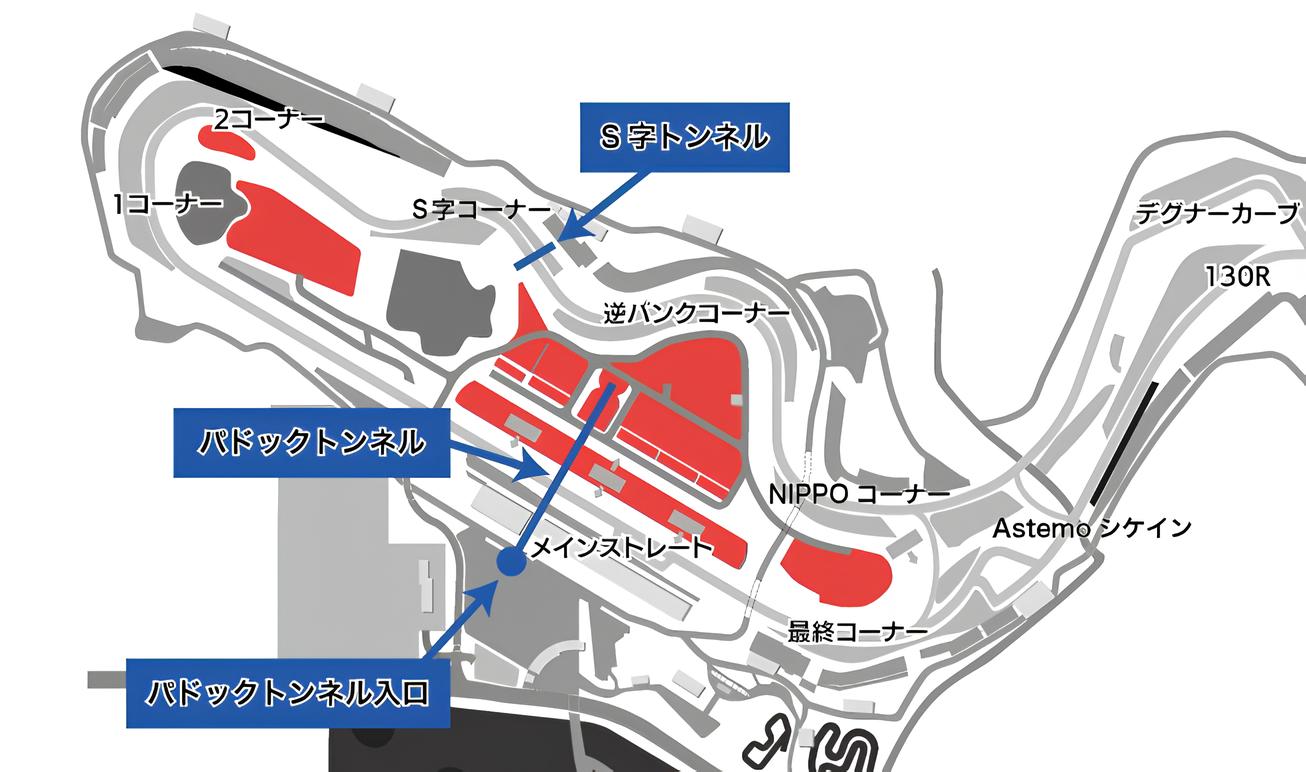 Here Is the Paddock Area!
If you have a Paddock Pass, you can enter such a paddock. It’s a chance to see the drivers and machines up close!
>> For more about Paddock Passes, click here
- Pit Lane
-
The passage where cars leave the course to change tires or make repairs during the race is called the pit lane.
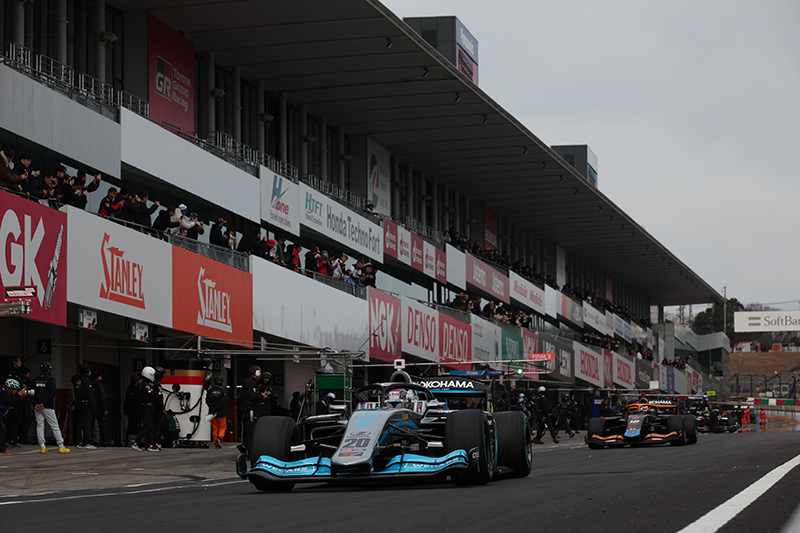
This passage has two lanes with different roles.
■ Fast Lane (High-Speed Lane)
Lane closer to the home straight
Passage where cars can travel at speeds up to 60 km/h
■ Inner Lane (Work Lane)
Lane on the pit side
Space for tasks such as tire changes
- Yellow, Green, Red Light Panels
-
To inform drivers on the track about the conditions on the course, signals are sent using the colors of the light panels on the track.
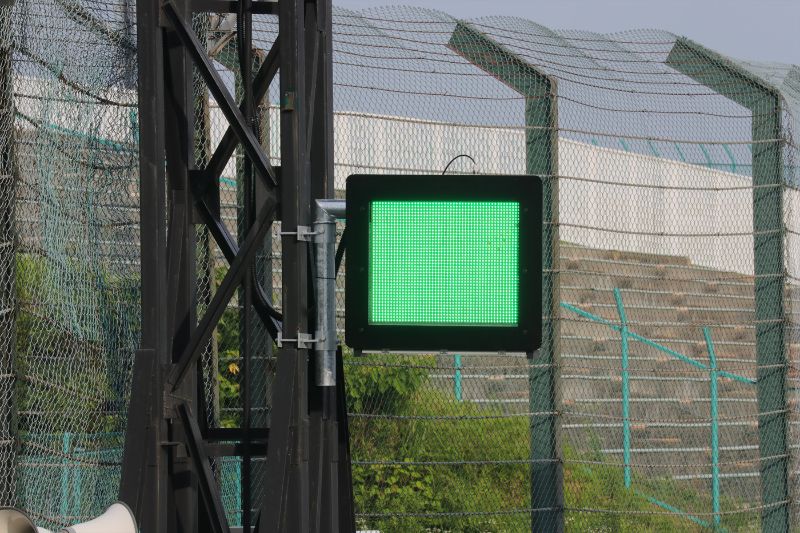
■Yellow Light Panel
This is a signal to inform that an accident or trouble has occurred and there is danger on the course.
Overtaking is prohibited in the section where this light panel is displayed.
■Green Light Panel
This is a signal to inform that the dangerous section has ended and normal driving can resume.
■Red Light Panel
This is used when the session (running time) is temporarily suspended due to a serious accident or worsening weather conditions.
- CHECKER FLAG
-
The flag that signals the end of the race is called the "Checker Flag." It is a very noticeable flag with a black and white checkered pattern.
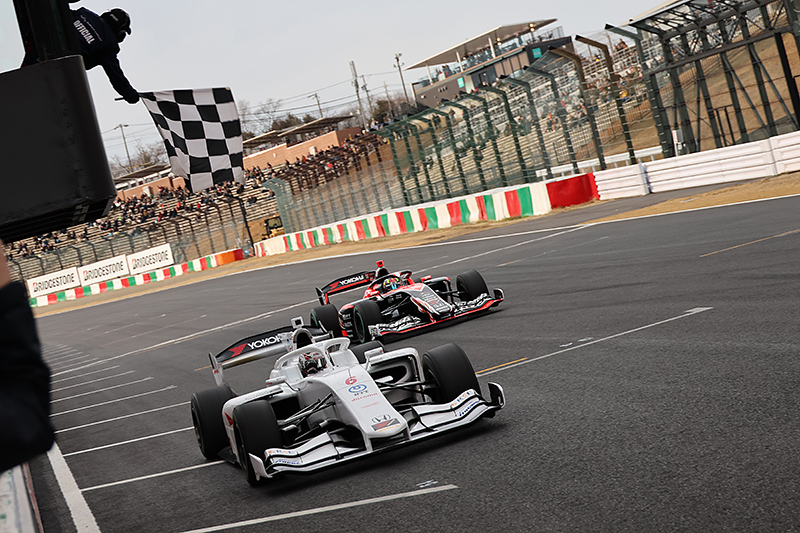
■Meaning of the Checker Flag
It is waved when the prescribed number of laps or time for the race has ended.
The checker flag is waved the moment the car running in the lead passes the control line (finish line). The driver who finishes first is said to "receive the top checker."
■What is a Double Checker?
A situation where a car on the track mistakenly receives the checkered flag twice. This can be a violation of the rules and may result in a penalty.
- Safety Car
-
A special car that appears during the race when dangerous situations arise due to accidents or bad weather, to safely continue the race. This is called the "Safety Car (SC)".
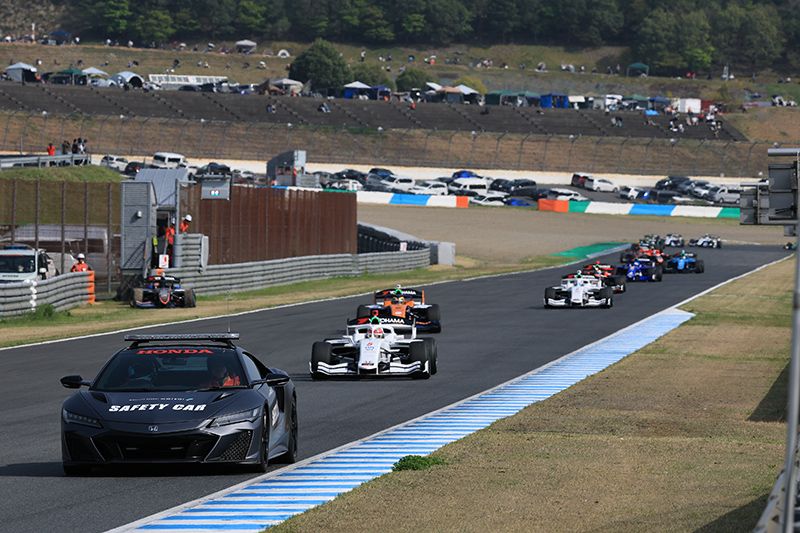
■Role of the Safety Car
It comes out onto the course to safely lead the running cars.
Overtaking is prohibited while the safety car is out. When the track is wet due to rain, the safety car may lead the start of the race.
■ What happens when the lights go off?
When the safety car's roof lights go off, the race will resume from the next lap.