- F1 Japanese GP Top
- Sprint Feature Index
- Schedule, points, records, and strategy—how an F1 Sprint weekend differs from a regular race weekend
Schedule, points, records, and strategy—
how an F1 Sprint weekend differs from a regular race weekend
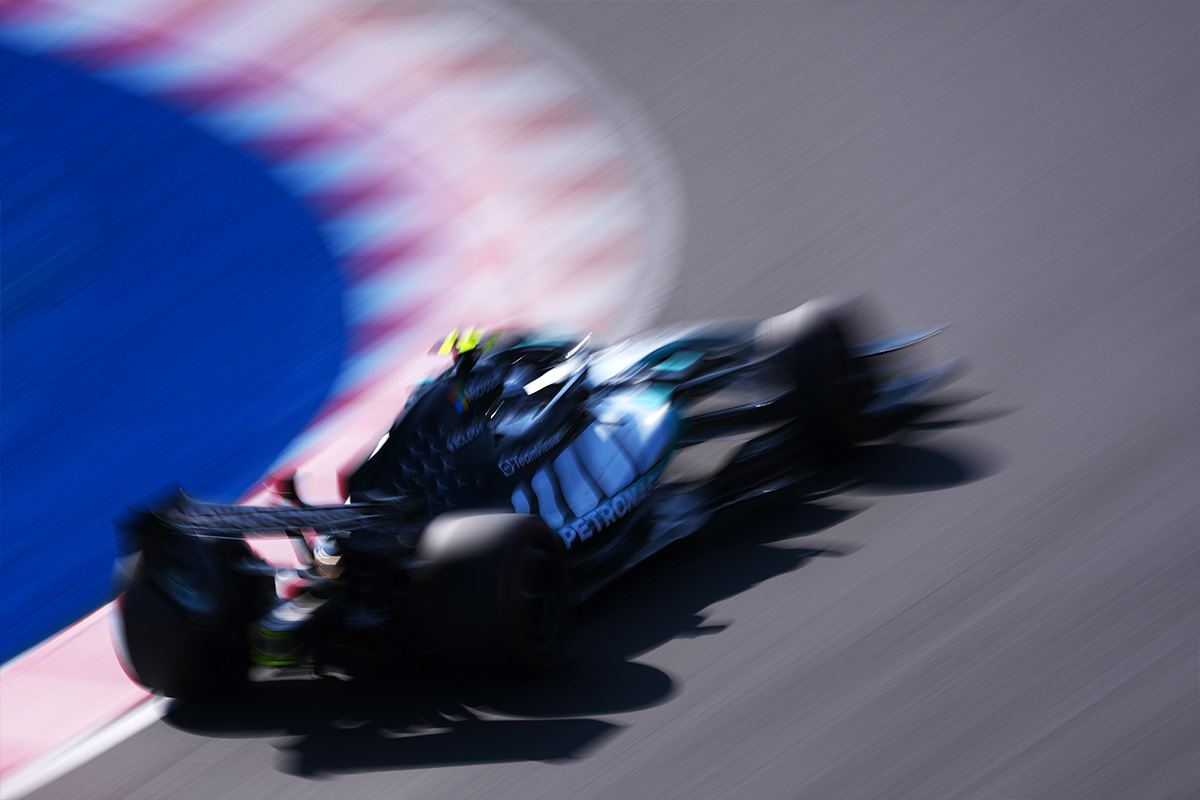
The 2027 FORMULA 1 JAPANESE GRAND PRIX, held from April 9 (Fri) to April 11 (Sun), 2027, will feature the first F1 Sprint in Japanese Grand Prix history. Part 1 introduced the action-packed three-day schedule: Sprint Qualifying on Friday, the Sprint and Grand Prix Qualifying on Saturday, and the Grand Prix on Sunday. Part 2 takes a closer look at how a Sprint weekend differs from a regular Grand Prix weekend, the challenges teams and drivers face, and what to watch for.
First, watch how little time teams have to prepare
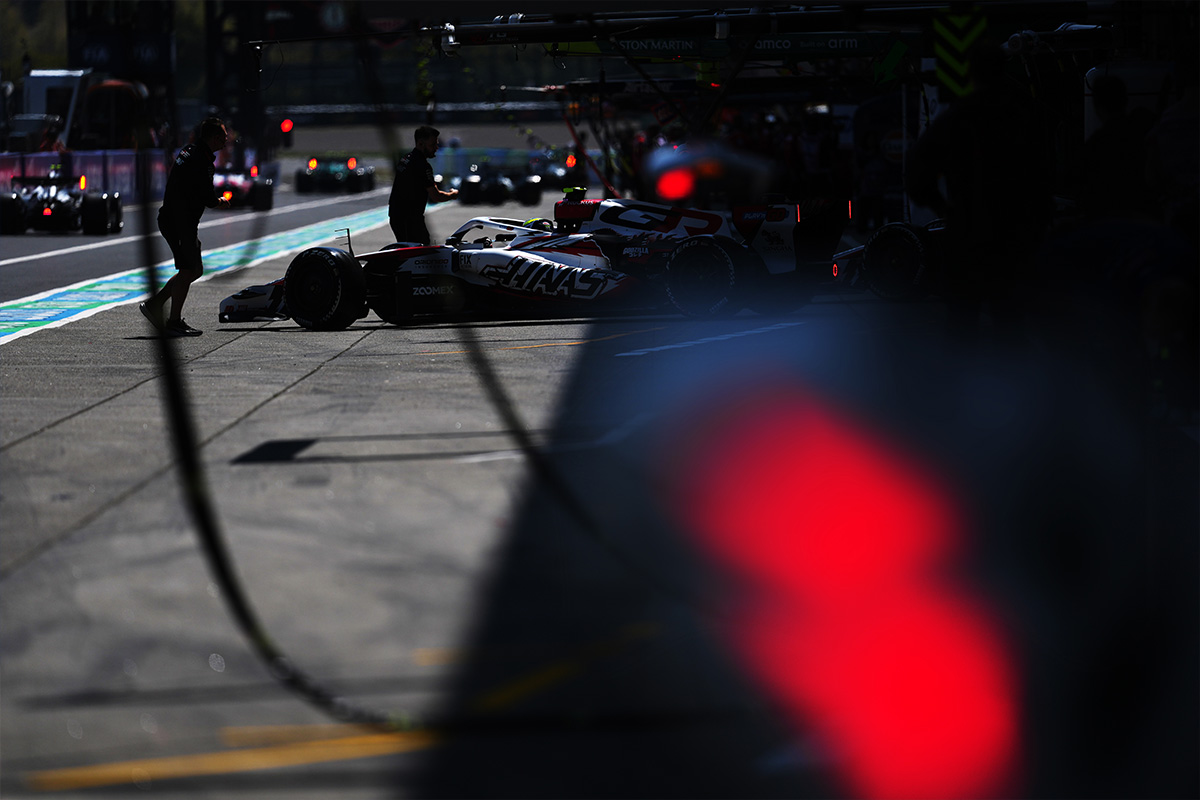
On a standard Grand Prix weekend, teams have three free practice sessions before qualifying and the race. Teams and drivers use that time to check whether their planned setup is working as expected and fine-tune the car for qualifying and the race, taking tire performance and track conditions into account.
By contrast, a sprint weekend has just one free practice session, on Friday. After FP1, teams move on to sprint qualifying later that day. With only one-third as much time to run the cars and make adjustments, there is little room for major changes once they arrive at the circuit. Past track data, simulator work, and the quality of preparations at the factory become even more important.
That does not mean the setup is locked in from the start. After the sprint, parc fermé restrictions are lifted, allowing teams to readjust their cars for Saturday’s Grand Prix qualifying. Another feature of the current format is that teams can use different setups for the sprint portion of the weekend, from Friday through Saturday morning, and the Grand Prix portion, from Saturday afternoon through Sunday.
Differences Between a Regular Weekend and a Sprint Weekend
| Day | Regular Grand Prix Weekend | Sprint Weekend |
|---|---|---|
| Friday | FP1 / FP2 | FP1 / Sprint Qualifying |
| Saturday | FP3 / Grand Prix Qualifying | F1 Sprint / Grand Prix Qualifying |
| Sunday | Grand Prix Race | Grand Prix Race |
* Start times and durations for each session will be posted on the timetable page once confirmed.
Sprint qualifying is short, with little time to hesitate
Friday’s sprint qualifying determines the starting grid for the sprint. It uses the same three-stage knockout format as Grand Prix qualifying, but the sessions are shorter: 12 minutes for SQ1, 10 minutes for SQ2, and 8 minutes for SQ3. The slowest drivers are eliminated at each stage, and those who reach SQ3 compete for the top spot on the sprint grid.
Tire rules are different, too. In dry conditions, sprint qualifying requires new medium tires in SQ1 and SQ2, and soft tires in SQ3. With fewer options than in regular qualifying, the timing of a run, how drivers warm up their tires, and how they plan their flying laps can directly affect the result. If a red flag or traffic disrupts a short session, there may be little chance to try again.
The fastest driver in Sprint Qualifying earns the first spot on the Sprint grid, but the Grand Prix’s official pole position goes to the driver who sets the fastest time in Saturday’s Grand Prix Qualifying. In other words, Friday and Saturday feature two qualifying sessions that may look similar but serve different purposes.
About 100 km. That makes it a race from the start
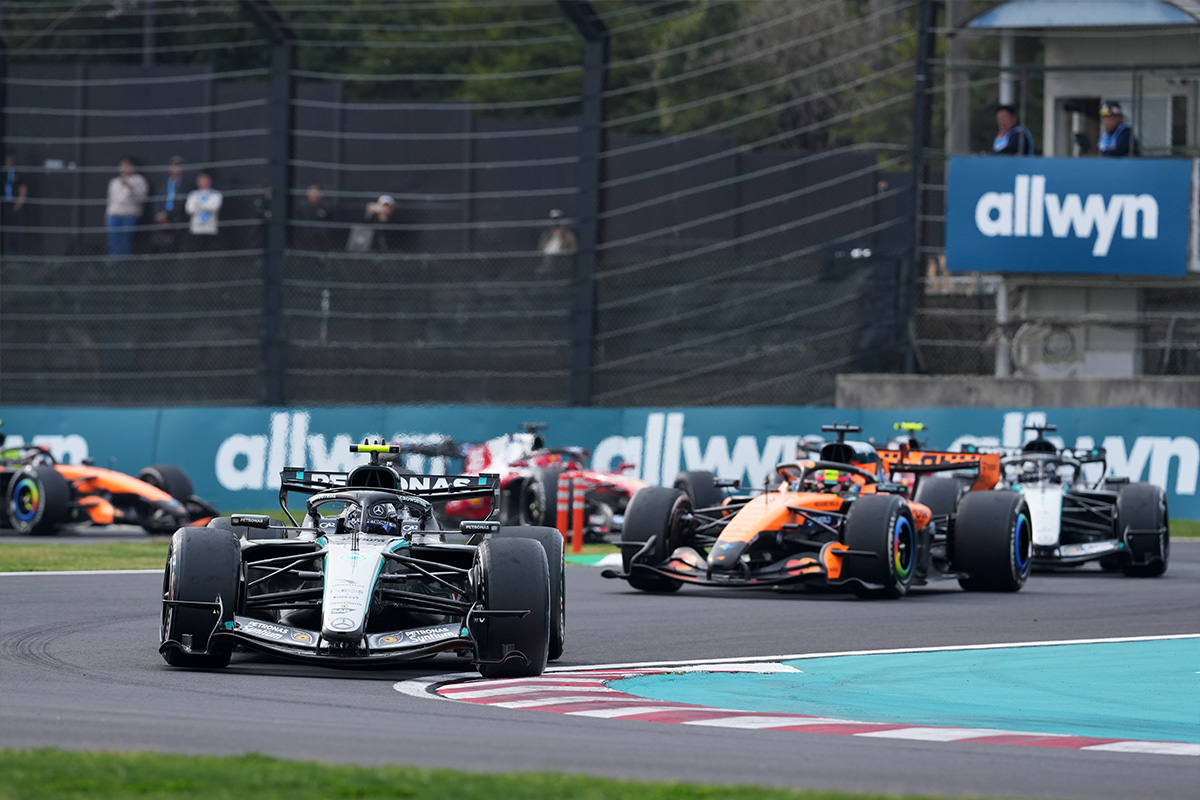
The F1 Sprint is a short race of about 100 km that typically lasts around 30 minutes. It covers roughly one-third the distance of the Grand Prix race, with no mandatory pit stop. Drivers can still pit, but in such a short race, it is difficult to make up the time lost changing tires. In dry conditions, the usual approach is to race from start to finish without stopping.
In a longer Grand Prix, it is important to manage the tires, build a sustainable pace, and use pit-stop strategy to gain positions. In a sprint, there is little time for that. The start, positioning on the first lap, and making the most of limited overtaking opportunities all matter. Because the race is so short, a single decision or small mistake can have a big impact.
Only the top eight score points
| 1st place | 2nd place | 3rd place | 4th | 5th | 6th | 7th | 8th |
|---|---|---|---|---|---|---|---|
| 8 points | 7 points | 6 points | 5 points | 4 points | 3 points | 2 points | 1 point |
In the sprint, the top eight finishers earn championship points, from eight points for first place down to one point for eighth. The eight points awarded for a sprint win are the same as for sixth place in the Grand Prix. Although a sprint awards fewer points than the Grand Prix, those extra points can make the difference in a title fight late in the season.
However, a sprint victory does not count toward a driver's tally of Grand Prix wins or official race wins. The sprint is a separate competition and an important race for championship points, but it is recorded differently from Sunday's Grand Prix.
The awards presentation differs from the Grand Prix race, too
After the Sprint, a trophy presentation honors the top three finishers. Unlike the ceremony after the Grand Prix race, it is separate from the traditional podium ceremony and national anthems. It celebrates the winner of the shorter race while making clear that Sunday’s Grand Prix race remains the weekend’s main event.
After the Sprint, Teams Rework Their Cars
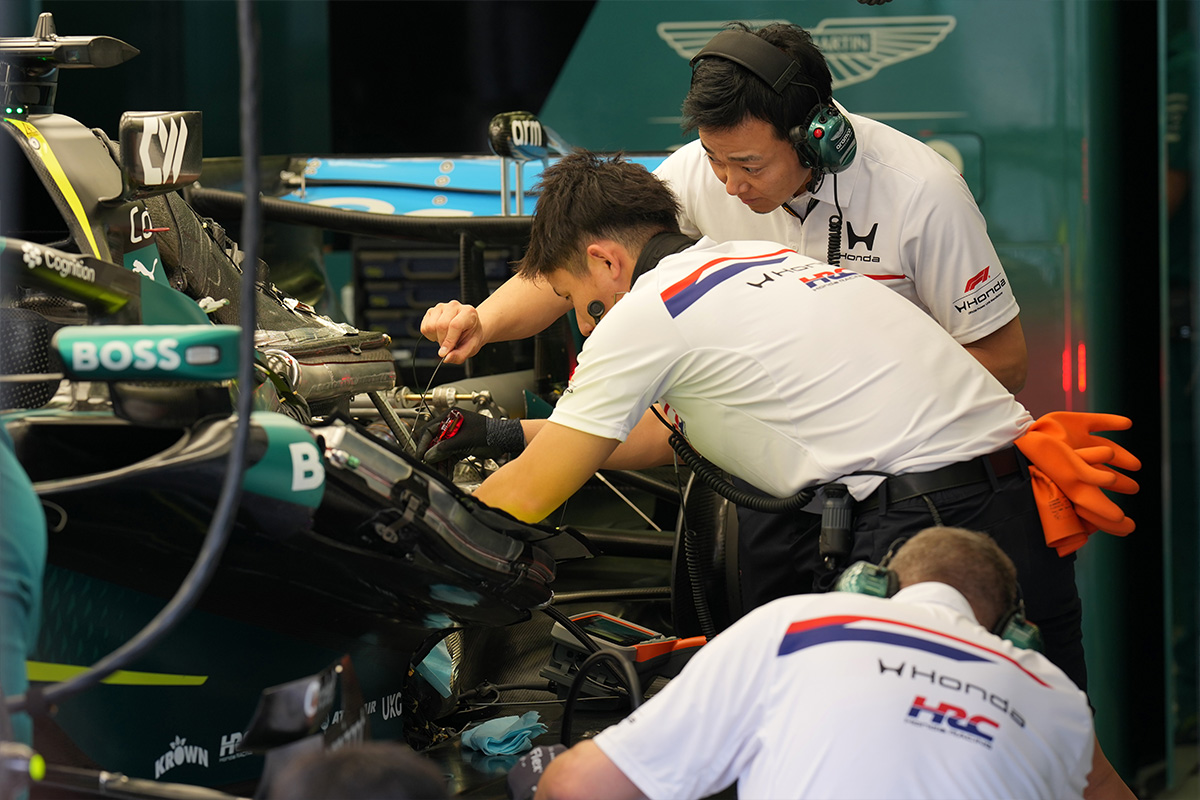
After the Sprint, teams can change their setups for Grand Prix qualifying. They review the data gathered during the Sprint and adjust their cars for Sunday’s race, taking into account changes in track conditions, tire behavior, and car balance. With limited time, they must decide what to change and what to keep. Their judgment and precision in making those changes are also worth watching.
At the same time, it is important to avoid damaging the car in Saturday’s sprint. Grand Prix qualifying follows immediately afterward. Significant damage from contact or going off track could affect a team’s preparations or even its ability to take part in qualifying. Should they chase the points on offer now, or manage the risks with Sunday in mind? Drivers and teams must constantly find the fine line between aggression and caution.
Three things to watch for at Suzuka
1. Assess how dialed in the cars are from FP1
Are the cars stable in the first hour, or are teams struggling to make adjustments? On a sprint weekend, performance in FP1 can have a direct bearing on Friday’s competitive session.
2. Compare Friday and Saturday qualifying
Does the competitive order change between Sprint Qualifying and Grand Prix Qualifying? Watch for teams whose setup changes after the Sprint pay off; they may offer a glimpse of how Sunday's Grand Prix will unfold.
3. Watch how drivers manage risk in the sprint
Suzuka features a succession of distinct sections, including the S Curves, Degner Curves, Hairpin, Spoon Curve, West Straight, 130R, and the chicane. Watch where each driver conserves energy and where they choose to make a move.
Two qualifying sessions, two races: Three days, one story
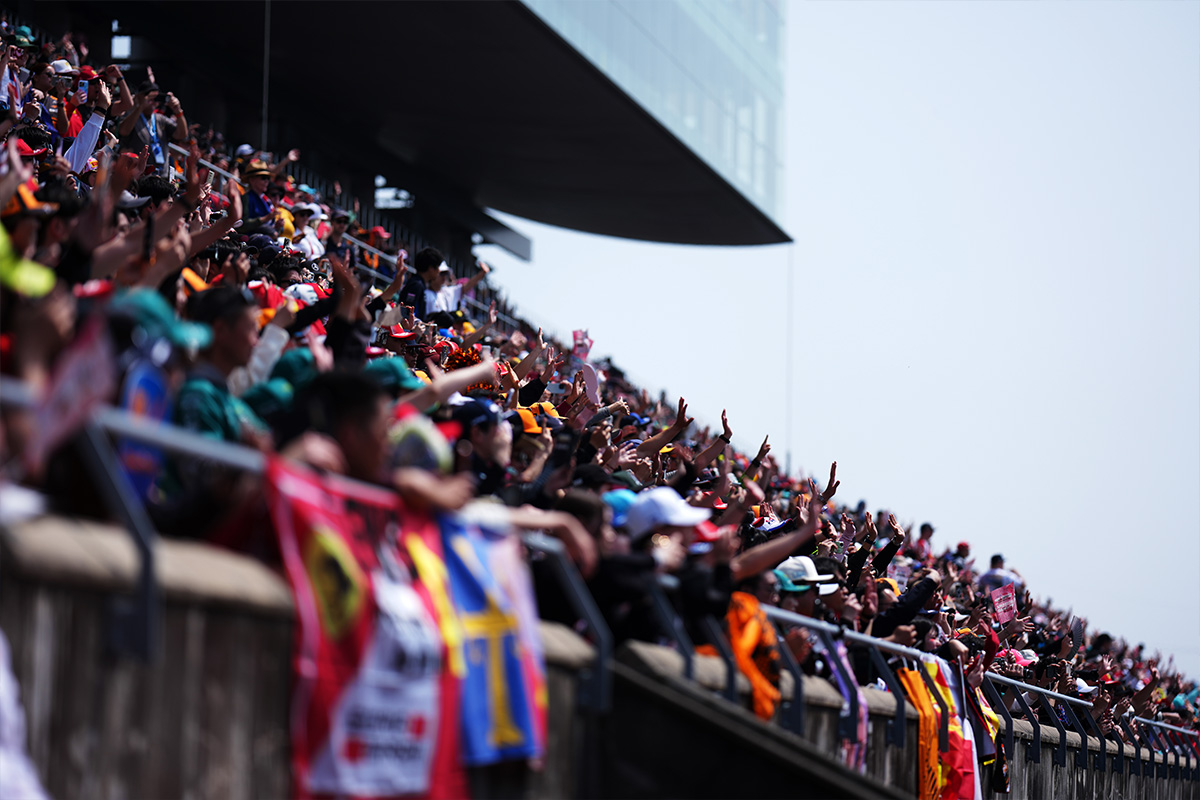
At the 2027 FORMULA 1 JAPANESE GRAND PRIX, competitive sessions begin on Friday, followed by the sprint and Grand Prix qualifying on Saturday and the Grand Prix race on Sunday. For spectators, it’s a weekend with two qualifying sessions and two races to watch in person.
By following the entire progression—not just the sprint result, but preparations in FP1, Friday’s sprint qualifying, Saturday’s short race, setup adjustments, Grand Prix qualifying, and Sunday’s main race—you can see how the teams and drivers build their speed. The first F1 Sprint in the history of the FORMULA 1 JAPANESE GRAND PRIX will make the three days at Suzuka a richer story than ever before.